

Have you ever wondered what makes Warren Buffett tick?
What fuels the mind of the man they call the Oracle of Omaha?
If so, you're far from alone.
The man is obviously worth billions.
But his real wealth is the knowledge he’s soaked up over decades.
And much of this knowledge has been pulled straight from the pages of some truly transformative books.
Buffett isn’t just some Wall Street wizard crunching numbers in a dark room.
He’s a relentless student, a voracious reader who once said, “The more you learn, the more you earn.”
And trust me, when a guy like Buffett swears by a reading list, you dive in headfirst.
These books are treasure maps.
They have shaped how he thinks, invests, and builds his wealth.
If you’ve ever wanted to know what fuels one of the sharpest minds in finance, this is it.
Let’s crack open the books recommended by Warren Buffett and see what we can learn from the pages that made him who he is.
Why Books Recommended by Warren Buffett Matter
When Warren Buffett speaks, the investing world listens.
And when Buffett recommends a book, you can bet it’s worth your time.
Besides being one of the most successful investors in history, Buffett is a thinker, a strategist, and, above all, a relentless learner. His reading list is a blueprint for understanding the markets, business, and human behavior.
Buffett famously advises, “Read 500 pages every day. That’s how knowledge works. It builds up, like compound interest.” For him, books are tools for sharpening his edge – not just in investing but in life. His recommendations are lessons you can apply to navigate risks, seize opportunities, and think more strategically, whether you’re a beginner or a pro.
In his shareholder letters, Buffett has repeatedly credited books like The Intelligent Investor for shaping his investment philosophy. He’s called it one of the luckiest discoveries of his life. These books are the foundation of Buffett's success, and they have the power to transform how you see the world of investing.
So, why does his reading list matter? Because these are the books that made Buffett Buffett – and they just might change how you think, too.
The 11 Books Recommended by Warren Buffett
1. The Intelligent Investor by Benjamin Graham

What Buffet Said About It
Buffett has called this book “by far the best book on investing ever written.” He credits Chapter 8, which discusses the concept of “Mr. Market,” as one of the most transformative ideas in his career. In his 2011 letter to shareholders, he wrote, “Picking up that book was one of the luckiest moments in my life.”
Key Takeaways
- Master Market Volatility: Graham’s “Mr. Market” analogy teaches you to see stock market fluctuations as opportunities, not threats.
- Focus on Intrinsic Value: Learn to identify the true worth of a company, ignoring short-term market noise.
- Simplicity is Key: Invest in businesses you understand and buy them at prices below their inherent value.
Why It Matters
This book laid the foundation for Buffett’s investment philosophy and is often considered a must-read for anyone serious about investing.
2. Tap Dancing to Work: Warren Buffett on Practically Everything by Carol J. Loomis

What Buffett Said About It
Buffett has praised Carol J. Loomis for her ability to capture his journey and philosophies in a way no one else could. In his 2012 shareholder letter, he wrote, “She has been invaluable to me in editing this letter since 1977.” He has also called her one of the most insightful financial journalists of all time.
Key Takeaways
- Diverse Perspectives: The book goes beyond investing. It covers Buffett’s views on business management, philanthropy, and even personal topics like parenting.
- The Gates Connection: Offers a fascinating look into Buffett’s friendship with Bill Gates and their shared commitment to philanthropy.
- Learning from the Master: Packed with insights into how Buffett evaluates investments and what he considers before making decisions.
Why It Matters
Tap Dancing to Work is a roadmap to understanding Buffett's approach to life, business, and investing.
3. The Clash of Cultures: Investment vs. Speculation by John C. Bogle

What Buffett Said About It
In his 2012 shareholder letter, Buffett praised this book as a must-read for its sharp critique of the financial industry and its focus on the principles of long-term investing.
Key Takeaways
- Investment vs. Speculation: Bogle explores the battle between disciplined investing and the lure of short-term speculation, urging readers to focus on long-term wealth-building.
- The Power of Time: Bogle emphasizes that time is your greatest ally in investing (allowing returns to compound), while high fees and short-term trades are your enemies.
- Simple Rules for Success: The book outlines 10 actionable rules for “Common Sense Investing,” providing a clear path for avoiding speculation traps.
Why It Matters
Bogle’s insights reinforce Buffett’s own philosophy of patience, discipline, and sticking to what you know. This makes it an essential read for serious investors.
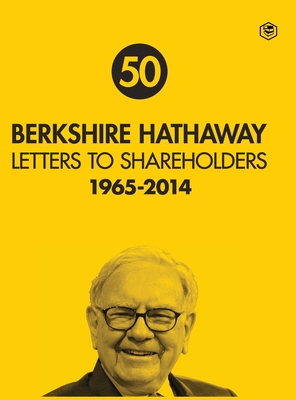
4. Berkshire Hathaway Letters to Shareholders edited by Max Olson
What Buffett Said About It
If you’ve ever wanted to know how Warren Buffett built Berkshire Hathaway from a struggling textile mill into a global investing giant, this book is your backstage pass. Buffett himself has praised it for its indexed format, saying, “It includes an index that I find particularly useful, specifying page numbers for individuals, companies, and subject matter.”
Key Takeaways
- Practical Wisdom: These letters are packed with Buffett’s straightforward advice on everything from investing to running a business.
- A Historical Roadmap: Learn from the evolution of Berkshire Hathaway, from a struggling textile company to a conglomerate, through Buffett’s eyes.
- A Historical Roadmap: Learn from the evolution of Berkshire Hathaway, from a struggling textile company to a conglomerate, through Buffett’s eyes.
Why It Matters
This book is a roadmap to thinking like Buffett. Every page holds lessons that could change how you invest, manage, or simply see the world of business.
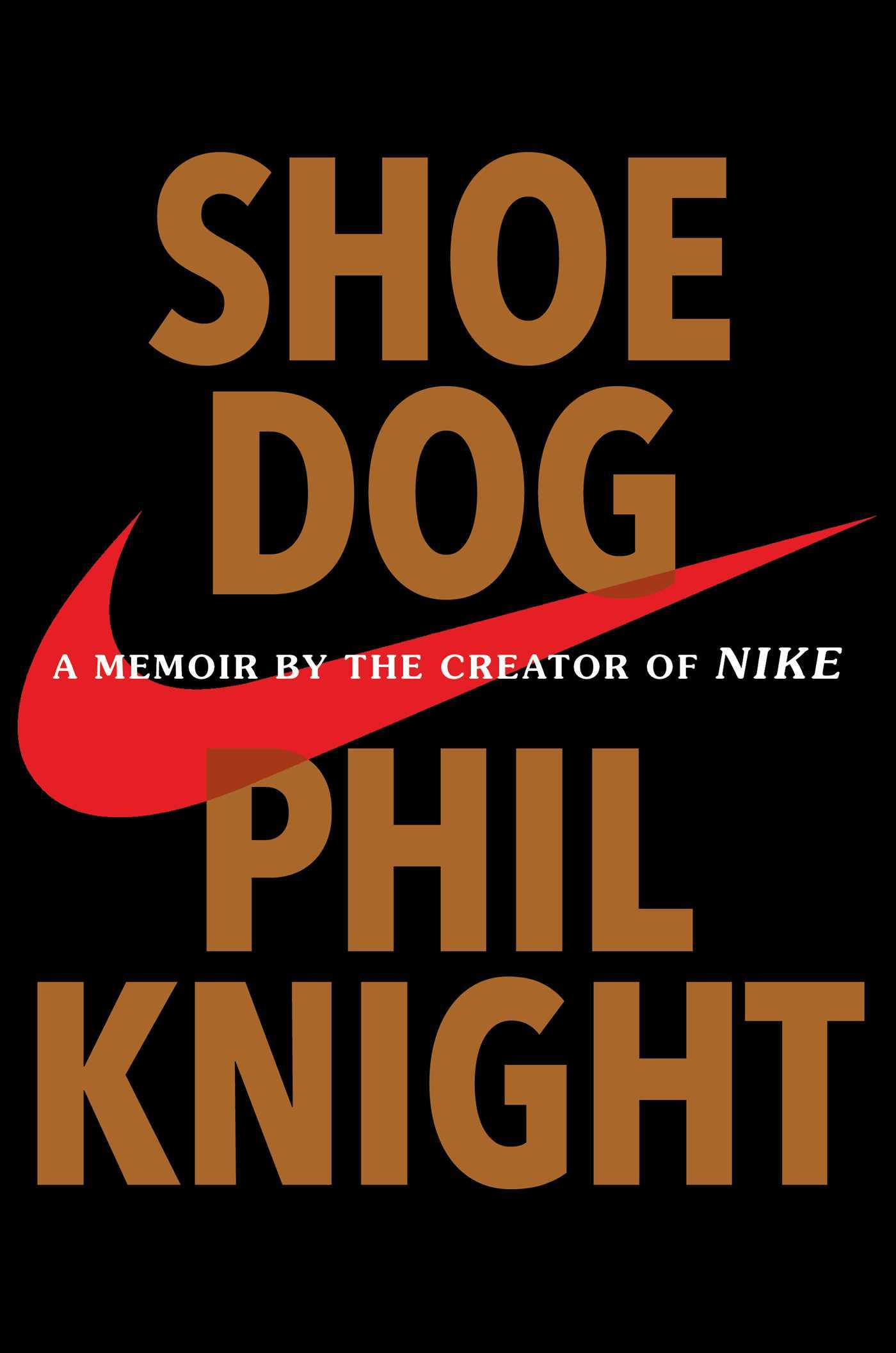
5. Shoe Dog: A Memoir by the Creator of Nike by Phil Knight
What Buffett Said About It
In his 2016 shareholder letter, Buffett called Shoe Dog the “best book I read last year.” He praised Phil Knight as not only a brilliant entrepreneur but also a gifted storyteller who brought the journey of building Nike to life.
Key Takeaways
- The Birth of a Brand: Knight takes readers through Nike’s early struggles, from selling shoes out of the trunk of his car to building a global empire. It’s a raw and unfiltered look at what it really takes to create something iconic.
- Entrepreneurial Grit: This isn’t a sugar-coated success story. It’s filled with failures, doubts, and moments where it all could’ve fallen apart. This makes it relatable for anyone chasing big dreams.
- The Human Side of Business: Beyond profits and logos, Knight reveals the relationships and personal sacrifices that went into creating Nike. It shows the deeply personal side of entrepreneurship.
Why It Matters
Even though this isn’t a traditional investing book, it’s easy to see why Buffett loved it. It’s a masterclass in resilience, creativity, and what it takes to bring a bold vision to life – qualities every investor and entrepreneur can learn from.
6. The Little Book of Common Sense Investing by John C. Bogle

What Buffett Said About It
Buffett has long praised John Bogle, the creator of the first index fund, for his dedication to helping investors succeed. In his 2014 shareholder letter, Buffett recommended this book, saying it’s the best guide to ensuring you get your fair share of stock market returns.
Key Takeaways
- Demystifying Investing: Bogle strips away the complexity of investing, making it clear and simple. His central message is to buy low-cost index funds and let them grow over time.
- Long-Term Success: Bogle teaches that time is your greatest ally in investing. Compound growth works magic, but only if you’re patient and disciplined. Forget short-term noise and focus on the big picture.
Why It Matters
This book is a philosophy that aligns perfectly with Buffett’s own advice to most investors: keep it simple, keep it low-cost, and stay the course.
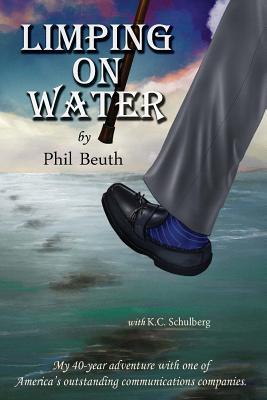
7. Limping On Water by Phil Beuth and K.C. Schulberg
What Buffett Said About It
Buffett highlighted this memoir in his 2015 shareholder letter, calling it an insightful tribute to two of the best leaders he’s ever known—Tom Murphy and Dan Burke. These two media executives played a major role in shaping Capital Cities/ABC-TV, a company Buffett greatly admired and invested in.
Key Takeaways
- Leadership Mastery: The book highlights the leadership principles of Tom Murphy and Dan Burke, who Buffett called “the best managerial duo Charlie [Munger] and I ever witnessed.” Their integrity, humility, and ability to empower teams are a blueprint for great leadership.
- The Value of Mentorship: Beuth’s firsthand experiences with Murphy and Burke show how effective leaders inspire and nurture those around them, leaving a legacy that extends far beyond financial success.
- A Unique Media Lens: For readers interested in the business of broadcasting, this book offers a behind-the-scenes look at a pivotal time in media history, from acquisitions to management strategies.
Why It Matters
This book is a lesson in how exceptional leadership and character can drive both personal and professional success. No wonder Buffett loved it.
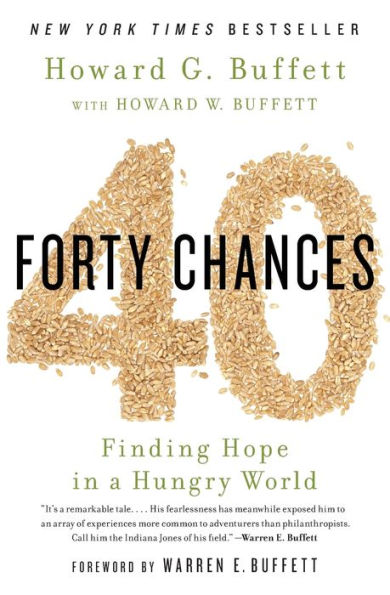
8. 40 Chances: Finding Hope in a Hungry World by Howard G. Buffett and Howard W. Buffett
What Buffett Said About It
Warren Buffett recommended this inspiring book by his son Howard G. Buffett, praising its focus on tackling global hunger and making a meaningful difference. He said readers “will enjoy the journey it captures.”
Key Takeaways
- Philanthropy in Action: Howard shares lessons from his journey to invest $3 billion over 40 years to address food insecurity and empower communities. It’s a real-world playbook for tackling big problems with heart and strategy.
- The Power of Risk-Taking: The book emphasizes that solving major challenges requires bold decisions and embracing the possibility of failure – lessons that resonate far beyond philanthropy.
- Learning from Mistakes: Each of the “40 chances” represents opportunities to try, fail, and grow, illustrating how persistence and reflection can lead to success.
Why It Matters
This book is less about building financial wealth and more about creating an impact. It’s a profound reminder of the responsibility that comes with success and how anyone can make a difference by taking chances.
9. Where Are the Customers’ Yachts? Or a Good Hard Look at Wall Street by Fred Schwed

What Buffett Said About It
Buffett has called this book “the funniest book ever written about investing” and “a must-read for anyone in the financial world.” Despite its humor, it delivers biting truths about Wall Street’s pitfalls and the eternal gap between the promises of financial professionals and the reality for their clients.
Key Takeaways
- Exposing Wall Street’s Hypocrisy: With sharp wit, Schwed highlights how financial professionals often profit handsomely while their clients are left asking, “Where are the customers’ yachts?”
- Timeless Lessons: Though written decades ago, the book’s critiques of greed and speculation on Wall Street remain just as relevant today.
- Humor with a Purpose: Schwed’s humor makes complex financial concepts accessible, offering valuable lessons without the usual dryness of investing books.
Why It Matters
This book blends comedy with sharp insights, which makes it a refreshing yet sobering look at the financial industry. It’s as entertaining as it is educational – a rare combination Buffett himself loves.
10. The Outsiders: Eight Unconventional CEOs and Their Radically Rational Blueprint for Success by William N. Thorndike

What Buffett Said About It
Buffett called The Outsiders “an outstanding book about CEOs who excelled at capital allocation.” He specifically highlighted the chapter on Tom Murphy, describing him as “the best business manager I’ve ever met.”
Key Takeaways
- Capital Allocation Mastery: The book covers how eight exceptional CEOs transformed their companies by making smart but unconventional decisions about where to invest their capital. It’s a masterclass in how to grow a business without relying on flashy tactics or blind expansion.
- Leadership Redefined: These CEOs thrived by going against the grain. They focused on substance over style, empowering their teams and consistently prioritizing long-term success over short-term wins.
- Real-World Examples: Thorndike shares case studies of CEOs like Tom Murphy of Capital Cities/ABC and John Malone of TCI. He shows exactly how they drove massive value by thinking differently.
Why It Matters
This is a book about thinking like a CEO. For investors and business leaders alike, it’s an essential read on making smarter decisions and leading with purpose.
11. Investing Between the Lines: How to Make Smarter Decisions by Decoding CEO Communications by L.J. Rittenhouse

What Buffett Said About It
Buffett recommended this book in his 2012 shareholder letter, emphasizing its importance for understanding how corporate communication reflects the integrity and performance of a company.
Key Takeaways
- Deciphering Corporate Speak: Rittenhouse teaches you how to read between the lines of annual reports, shareholder letters, and other CEO communications to spot red flags and assess a company’s true financial health.
- Foreseeing Trouble: Using real-world examples like Enron and Lehman Brothers, the book illustrates how misleading corporate language often precedes financial disasters.
- Transparency Wins: Companies that communicate honestly and clearly tend to outperform those that rely on jargon or vague statements.
Why it Matters
This book gives investors a powerful tool for evaluating a company’s trustworthiness and long-term viability. These are skills that align directly with Buffett’s emphasis on integrity and transparency in business.
How to Use Buffett’s Investing Principles with Wisesheets
Warren Buffett’s book recommendations are full of golden nuggets, but the real challenge is taking all that wisdom and putting it into action. It’s one thing to understand concepts like intrinsic value or long-term investing; it’s another to dive into the numbers and make confident decisions.
With the right tools, though, bridging that gap becomes much easier – and that’s exactly what Wisesheets is designed to do.
Here’s how you can use Buffett’s strategies, along with Wisesheets, to level up your investing game:
1. Nail Intrinsic Value (Inspired by The Intelligent Investor)
Buffett swears by Benjamin Graham’s concept of intrinsic value: finding companies that are worth more than their market price. But figuring this out means exploring metrics like P/E ratios, cash flow, and equity.
How Wisesheets Simplifies It: Wisesheets pulls balance sheets, income statements, and historical stock prices right into Excel or Google Sheets.
Example in Action: Want to know if Coca-Cola is undervalued? Use Wisesheets to pull their financials and run an intrinsic value calculation, Buffett-style.

2. Think Long-Term, Not Short-Term (Inspired by The Clash of the Cultures)
Real wealth isn’t built on stock flipping or chasing market trends. It’s built by investing in solid companies and holding onto them while compound growth does its thing.
How Wisesheets Helps You Stay Focused: Create a watchlist with automated updates on key metrics like free cash flow and dividend growth. This keeps your eye on the big picture instead of getting distracted by market noise.
Example in Action: Track a company’s free cash flow yield over time to assess its ability to generate cash consistently

3. Follow the Money (Inspired by The Outsiders)
Buffett admires CEOs who know how to allocate capital wisely by investing profits into areas that generate long-term value. Spotting these companies means analyzing cash flow and how they reinvest earnings.
How Wisesheets Helps You Analyze: With Wisesheets, you can instantly pull cash flow statements to see how companies are managing their money.
Example in Action: Compare the reinvestment ratios of two companies side by side to see which one is aligned with Buffett’s approach to smart capital allocation.

FAQs About Books Recommended by Warren Buffett
What books does Warren Buffett recommend for beginners?
Buffett often suggests starting with The Intelligent Investor by Benjamin Graham. He’s called it “the best book on investing ever written” and credits it with shaping his own approach to markets. Other great options for beginners include The Little Book of Common Sense Investing by John C. Bogle, which simplifies long-term investing, and Where Are the Customers’ Yachts? by Fred Schwed, a humorous yet insightful critique of Wall Street.
Why does Warren Buffett recommend The Intelligent Investor?
Buffett credits The Intelligent Investor for introducing him to the concept of intrinsic value and teaching him to stay disciplined during market volatility. In particular, he’s a big fan of Chapter 8, which uses the metaphor of “Mr. Market” to explain how investors should view stock price fluctuations. For Buffett, the book provides timeless principles for finding undervalued stocks and ignoring short-term noise.
Conclusion: Are You Ready to Think Like Buffett?
Warren Buffett didn’t become one of the greatest investors of all time by luck.
He got there through relentless learning, discipline, and a knack for spotting opportunities others overlooked.
But the great thing is, you don’t need millions in the bank or a Wall Street job to learn from him.
You just need to start with the books he swears by.
These books are tools to refine the way you see investing. The Intelligent Investor teaches you to stay calm when everyone else is panicking, while The Clash of the Cultures reminds you that patience beats quick wins every time.
The lessons show you how to think, act, and invest like Buffett himself.
But reading is just the first step. The real magic happens when you take what you’ve learned and use it.
That's where tools like Wisesheets can make a difference. They make it easier to act on the principles that Buffett built his empire on.
As Buffett himself said, “The more you learn, the more you earn.” So, pick up these books. Learn from them. Use them to sharpen your edge.
And when you are ready to jump into the numbers, let Wisesheets take the legwork off your plate.

Hello! I'm a finance enthusiast who fell in love with the world of finance at 15, devouring Warren Buffet's books and streaming Berkshire Hathaway meetings like a true fan.
After completing my BBA degree in Finance at the Schulich Program in Toronto, Canada. I started my career in the industry at one of Canada's largest REITs, where I honed my skills analyzing and facilitating over a billion dollars in commercial real estate deals.
My passion led me to the stock market, but I quickly found myself spending more time gathering data than analyzing companies.
That's when my team and I created Wisesheets, a tool designed to automate the stock data gathering process, with the ultimate goal of helping anyone quickly find good investment opportunities.
Today, I juggle improving Wisesheets and tending to my stock portfolio, which I like to think of as a garden of assets and dividends. My journey from a finance-loving teenager to a tech entrepreneur has been a thrilling ride, full of surprises and lessons.
I'm excited for what's next and look forward to sharing my passion for finance and investing with others!

